New article on photoaccumulation of long-lived electrons in a Ti-MOF

Check out IMAP new article entitled:

Photoaccumulation of Long-Lived Reactive Electrons in a Microporous Ti(IV) Oxocluster-Based Metal–Organic Framework for Light and Dark Photocatalysis
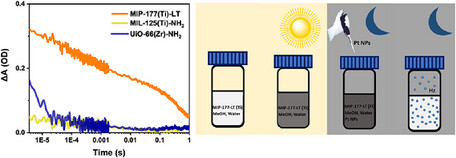
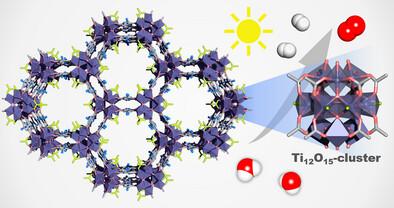
The microporous Ti12 oxocluster-based metal–organic framework (MOF) MIP-177(Ti)-LT exhibits excellent stability and photoactivity, making it highly promising for photocatalysis. Using transient and photoinduced absorption spectroscopies, the behavior of reactive electrons in MIP-177(Ti)-LT across femtosecond-to-second timescales is investigated. The framework shows efficient charge separation and slow decay kinetics, with photogenerated charges persisting into the microsecond-second (µs-s) range and displaying higher yields and slower recombination than benchmark MOFs MIL-125(Ti)-NH2 and UiO-66(Zr)-NH2. Photogenerated holes oxidize water with an O2 yield of 335 µmol g−1 h−1 in the presence of electron scavengers. Under continuous irradiation, long-lived electrons accumulate, further enhanced by a hole scavenger (methanol). Remarkably, these electrons persist over 48 h post-excitation under argon, accompanied by a reversible white-to-black color change. The stored electrons remain redox-active, efficiently reducing added O2 and methyl viologen. Dark addition of a Pt co-catalyst to photocharged MIP-177(Ti)-LT induces H2 evolution at ≈300 µmol g−1 (≈58 C g−1), corresponding to an accumulated electron density of one electron per 12 Ti atoms. These results highlight the photocharging properties of MIP-177(Ti)-LT and its potential for sustainable photocatalytic applications.

More info here: https://advanced.onlinelibrary.wiley.com/doi/10.1002/adma.202517595

Seminar Pr. Gassensmith, 11am Dec. 4th

Thursday 4th of December we will receive the visit of Pr. Jeremiah Gassensmith, Associate Professor in Chemistry & Biochemistry at The University of Texas at Dallas. He will give a talk on  « Metal–Organic Frameworks as Dual-Function Platforms for Immunology and Therapeutics» it will be at 11 am, at ENS, in room R.

Metal–Organic Frameworks as Dual-Function Platforms for Immunology and Therapeutics

Prof. Jeremiah J Gassensmith, Ph.D.
The University of Texas at Dallas
Dept. of Chemistry & Biochemistry, 800 West Campbell Road, Mail stop: BS13, Richardson, TX 75080
Email: gassensmith@utdallas.edu
https://labs.utdallas.edu/gassensmith/
BlueSky: @Gassensmith

Abstract:
Metal–organic frameworks (MOFs) have rapidly evolved from chemical curiosities into functional materials for biomedical science. Their high porosity, tunable chemistry, and compatibility with biologics enable MOFs to act as protective cages for fragile payloads such as proteins, nucleic acids, and enzymes. In our work, we investigate how MOFs can transition from passive carriers to actively participate in immunology and therapeutic design. Zinc-based ZIFs offer both antigen stabilization and measurable adjuvant effects, capitalizing on the immunological activity of their constituent metals. By introducing manganese nodes, we further exploit the cGAS–STING pathway, showing how Mn-containing MOFs can synergize with cyclic dinucleotides to amplify dendritic cell activation and cytokine production. These dual functions—structural protection and immunological stimulation—enable the development of next-generation vaccine formulations that combine stability with innate immune activation. In parallel, we investigate MOFs as depots for enzymes that neutralize toxic organophosphates, where the crystalline scaffold prolongs enzyme lifetime in vivo and supports prophylactic applications. Together, these studies demonstrate how the rational design of MOFs can integrate materials science with immunology to address challenges ranging from infectious disease vaccination to chemical defense.

MOFs Workshop: Oct 30th – amphi IPPG

On the morning of October 30th, 2025, the Department of Chemistry at ENS and IMAP will host a workshop on Metal–Organic Frameworks for Energy, Environmental, and Biomedical Applications. This event will bring together internationally recognized experts, Patricia Horcajada, Hana Bunzen, Paolo Falcaro and Moises Pinto, to discuss recent advances in the design, characterization, and application of MOFs, from sustainable energy conversion and environmental remediation to innovative biomedical technologies. It will be in the IPGG amphitheater located at 6 Rue Jean Calvin.
More info and detailed program: HERE

Seminar Pr. S. Floquet, Oct. 9th, 11am

Thursday 9th of October we will receive the visit of Pr. Sebastien Floquet, from Institut Lavoisier de Versailles, Université Paris-Saclay.
He will give a talk on the « Use of Molybdenum complexes for the safeguard of the honeybees: from the beaker to the market.» it will be at 11 am, at ENS, in room R.

Use of Molybdenum complexes for the safeguard of the honeybees: from the beaker to the market.

Prof. Sébastien Floquet
Institut Lavoisier de Versailles, Université Paris-Saclay, UVSQ, CNRS, UMR 8180, 78000 Versailles, France.
Oligofeed SAS, Ferme du Moulon, 91190 Gif sur Yvette, France
sebastien.floquet@uvsq.fr

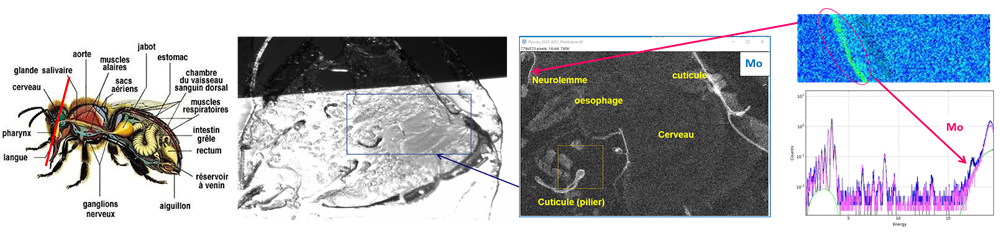
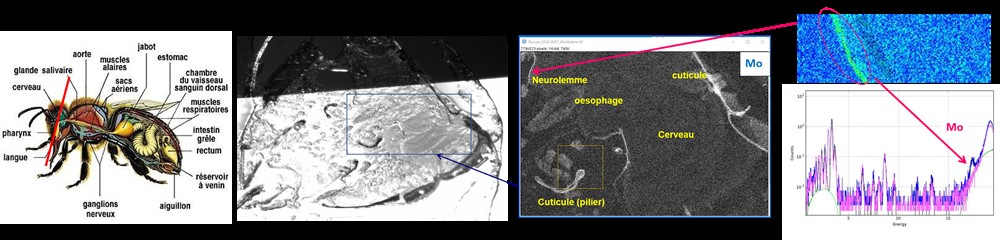
Bees are experiencing a worrying decline around the world. Beyond this decline, 20,000 species of plants are also affected by their disappearance and nearly 40% of our diet. Molybdenum is an essential trace element for life. Found in over fifty enzymes, Mo plays an important role in plants and in animals. For several years we are developing molecular complexes based on Mo for applications in biology.[1,2] In particular, very simple coordination complexes have proved to be very active in beekeeping[3-5]. Non-toxic, these molecules allow improving the honey bee health, enhance their productivity and decrease their mortality, especially in winter. A first part of this talk will be focused on the the effects obersved for one complex in beehives in different countries and different environment but in real operating conditions for professional beekeepers. A second part will be dedicated to understanding of the role played by these complexes within the bees’ organism, thanks to many techniques such as ICP-MS, X-Ray Fluorescence experiments performed on Synchrotron SOLEIL or XPS studies.


Localization of molybdenum within the head of a bee fed with a Mo-complex

[1] A. Fuior, A. Hijazi, O. Garbuz, V. Bulimaga, L. Zosim, D. Cebotari, M. Haouas, I. Toderas, A. Gulea and S. Floquet, Journal of Inorg. Biochem., 2022, 226, 111627.
[2] A. Fuior, D. Cebotari, M. Haouas, J. Marrot, G. Minguez Espallargas, V. Guérineau, D. Touboul, R. Rusnac, A. Gulea and S. Floquet, ACS Omega, 2022, https://doi.org/10.1021/acsomega.2c00705
[3] A. Fuior, S. Floquet, V. Cebotari, D. Cebotari, A. Gulea, I. Toderas. « Food supplement based on molybdenum for bees ». European patent EP4185594B1 (delivered on 04 dec. 2024). In progress for USA, Canada, Argentina, and China.
[4] A. Fuior et al. Feed supplementation with molybdenum complexes improves honey bee health. Inorganic Chemistry Frontiers 2025 https://doi.org/10.1039/D5QI00878F
[5] Benito-Murcia et al., Reducing Honey Bee Winter Mortality with Molybdenum Supplementation: Field Evidence Across Europe. 2025. Under revision for Reseach in Veterinary Science. Preprint sur BioRxiv. https://doi.org/10.1101/2025.07.23.666091

« Les métaux et la vie », « Pasteur au microscope » : représentations théâtrales à venir

La chimie s’invite au théâtre ! Venez découvrir :

Une belle occasion de découvrir que nous serions ni vivants, ni humains, sans les métaux, et la vie de Pasteur à quelques mètres de son ancien bureau à l’ENS !

A Novel Ti12-Based Metal-Organic Framework for Photocatalytic Hydrogen Evolution

Check out the latest paper from IMAP and colleagues here:
https://advanced.onlinelibrary.wiley.com/share/6ZQXKUNPZRHRNQ3JHRS2?target=10.1002/aenm.202500211

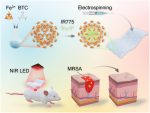
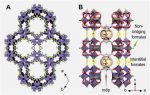
A new microporous titanium-based metal-organic framework (Ti-MOF), labeled as MIP-209(Ti) (MIP: Materials from Institute of Porous Materials of Paris), features nitro terephthalate ligands and Ti12O15 oxo-clusters, as revealed by continuous rotation electron diffraction (cRED). MIP-209(Ti) can be obtained using two different terephthalate (1, 4-BDC2−) derivatives such as NO2-BDC and 2Cl-BDC in an eco-friendly solvent, suggesting the isostructural versatility of Ti12-MOFs. Alternatively, its Ti-oxo-cluster can be tuned, similarly to MIP-177(Ti)-LT bearing the same Ti12O15 sub-unit. Typically, low percentage Cr3+ doping (≤5 at%) in MIP-209(Ti) favorably enhances the water stability. MIP-209(Ti-Cr)-NO2 shows a significant hydrogen production rate, with good reusability and stability under simulated solar light irradiation. Compared to the benchmark Ti-MOF IEF-11, the hydrogen production of MIP-209(Ti-Cr)-NO2 with 5 at% Cr doping has a fourfold enhancement in photocatalytic hydrogen evolution from water splitting reaction (HER) during 5 h in presence of methanol (5 812 µmol/gcat against 1 391 µmol/gcat), as well as, without any noble metal co-catalyst, a sixfold enhancement in overall water splitting reaction (OWS) (681 and 325 µmol/gcat of H2 and O2, respectively, against 94 and 53 µmol/gcat of H2 and O2, respectively). This work represents a leap forward in the synthesis of Ti-MOFs and their practical photocatalytic applications.

Une avancée pour purifier l’air intérieur : des matériaux prometteurs contre le formaldéhyde

Le formaldéhyde pollue l’air intérieur, car il est utilisé pour conserver le mobilier et les vêtements lors des longs voyages en bateau depuis leurs lieux de production. Il est très nocif pour la santé, mais les filtres à air le retiennent mal. De nouveaux matériaux, poreux à toute petite échelle, agissent comme des éponges et montrent une bonne efficacité de capture de ce polluant.

Le lien vers l’article complet

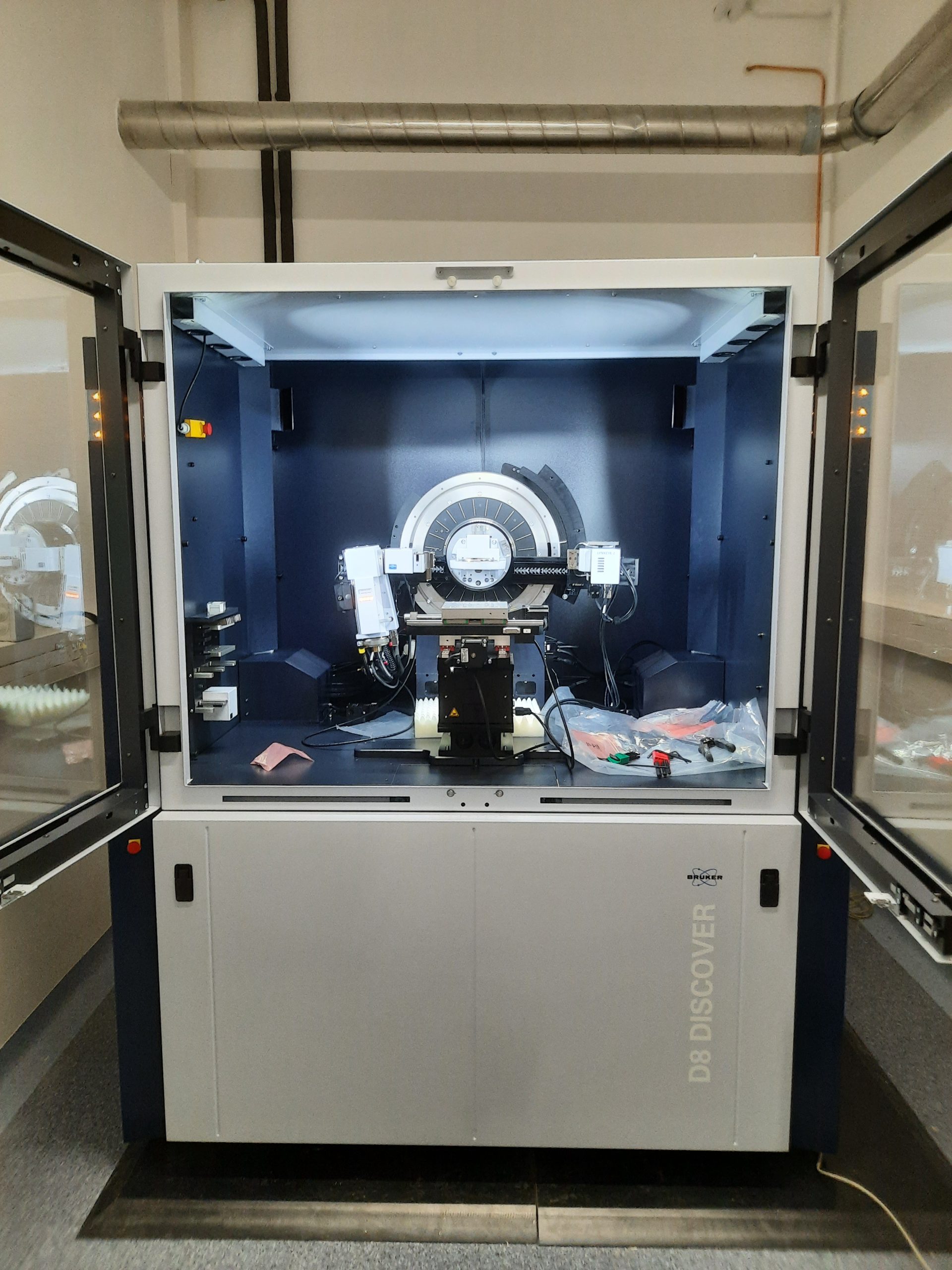
MOF-Enhanced Phototherapeutic Wound Dressings Against Drug-Resistant Bacteria

Full article HERE!!
And you can also check out his very exhaustive review on Iron-MOFs for Biomedical Applications

Abstract MOF-Enhanced Phototherapeutic Wound Dressings Against Drug-Resistant Bacteria:
Phototherapy is a low-risk alternative to traditional antibiotics against drug-resistant bacterial infections. However, optimizing phototherapy agents, refining treatment conditions, and addressing misuse of agents, remain a formidable challenge. This study introduces a novel concept leveraging the unique customizability of metal–organic frameworks (MOFs) to house size-matched dye molecules in “single rooms”. The mesoporous iron(III) carboxylate nanoMOF, MIL-100(Fe), and the hydrophobic heptamethine cyanine photothermal dye (Cy7), IR775, are selected as model systems. Their combination is predicted to minimize dye–dye interactions, leading to exceptional photostability and efficient light-to-heat conversion. Furthermore, MIL-100(Fe) preserves the antimicrobial nature of hydrophobic IR775, enabling it to disrupt bacterial cell envelopes. Through electrospinning, MIL-100(Fe)@IR775 nanoparticles are shaped into a gelatin-based film dressing for the treatment of skin wounds infected by Methicillin-resistant Staphylococcus aureus (MRSA). Activation of the dressing requires only a portable near-infrared light-emitting diode (NIR LED) and induces both low-dose photodynamic therapy (LPDT) and mild-temperature photothermal therapy (MPTT). Combined with the antimicrobial properties of IR775 and ferroptosis-like lipid peroxidation induced by MIL-100(Fe), the photoactive dressing eradicates MRSA and the healing is as quick as the uninfected wounds. This safe, cost-effective, and multifunctional therapeutic wound dressing offers a promising solution to overcome the current bottleneck in phototherapy.